
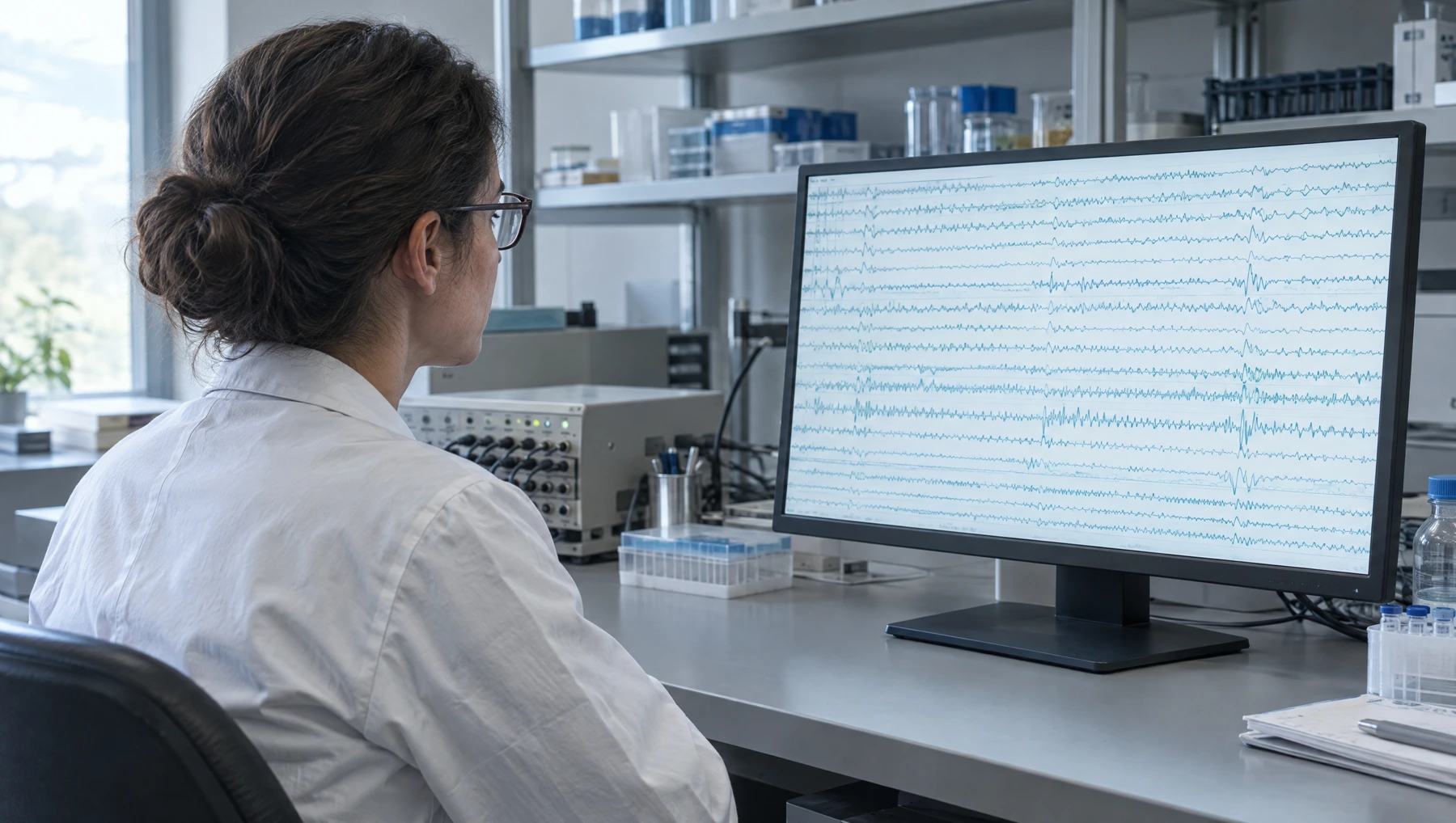
Fundamental neuroscience
Follow activity during exploration, learning and natural behaviour, with a lightweight wireless interface and access to the full signal.
Real signal. Real time.
15.36 Mbps of uncompressed neural data from 32 channels at 30 kS/s. View activity and recording quality during acquisition; retain the full stream for later analysis.
Navigate complex arenas.
Record during movement through tubes, mazes and open spaces.
Build around your experiment.
A 1.4 cm³ headstage weighing ≤ 2.5 g. Molex and Omnetics interface options support different probe configurations. Detector arrangements can be tailored to your arena and experimental requirements.
Freedom to move.
A research visualization of an active mouse with a wireless neural headstage.
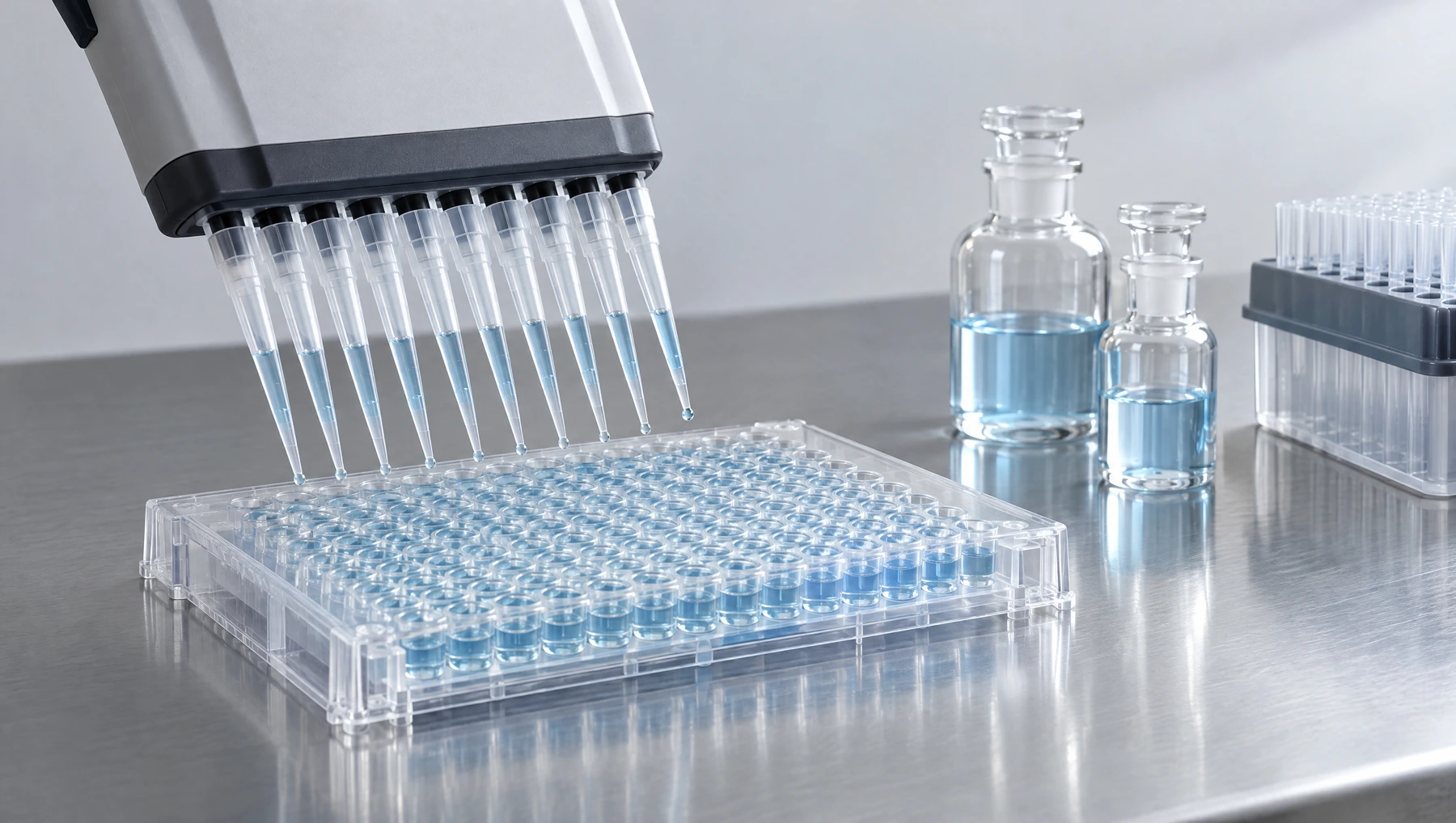
Drug discovery
See how a potential treatment changes neural activity alongside behaviour. Bring richer electrophysiological data into preclinical studies.
Measure neural responses to treatment.
Compare neural activity and behaviour before and after an intervention. Assess drug responses and circuit function in the brain regions sampled by your probe.
Get all the data you need.
Keep the full acquired signal, without compression. Check recording quality in real time, then revisit the same dataset with different analyses and signal features.
Reduce experiment numbers.
With suitable probes, record from multiple brain structures in the same session. This can reduce the need for separate experiments while revealing responses across connected circuits.
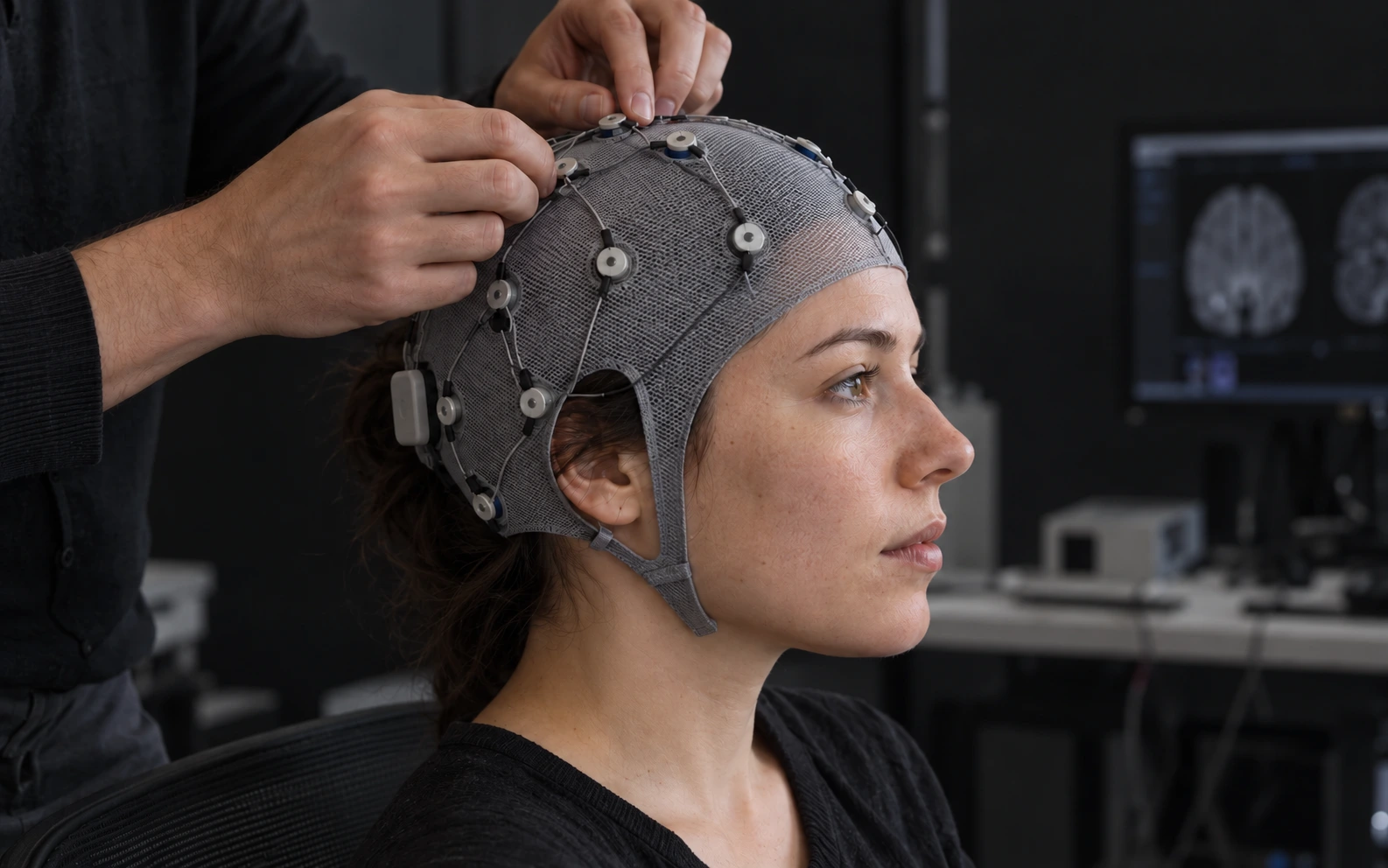
Future neural interfaces
As probes capture more information, the wireless link must keep pace. Optical communication offers a route toward higher-bandwidth neural interfaces.
More channels. A richer view.
Platform development explores scaling to thousands of channels, broader probe compatibility and optical interaction, while balancing bandwidth, power and device size.
A foundation for future translation.
Higher channel counts could support finer decoding of movement or speech in future neural interfaces. Human applications remain a longer-term direction; today’s NeuroVLC system is preclinical.